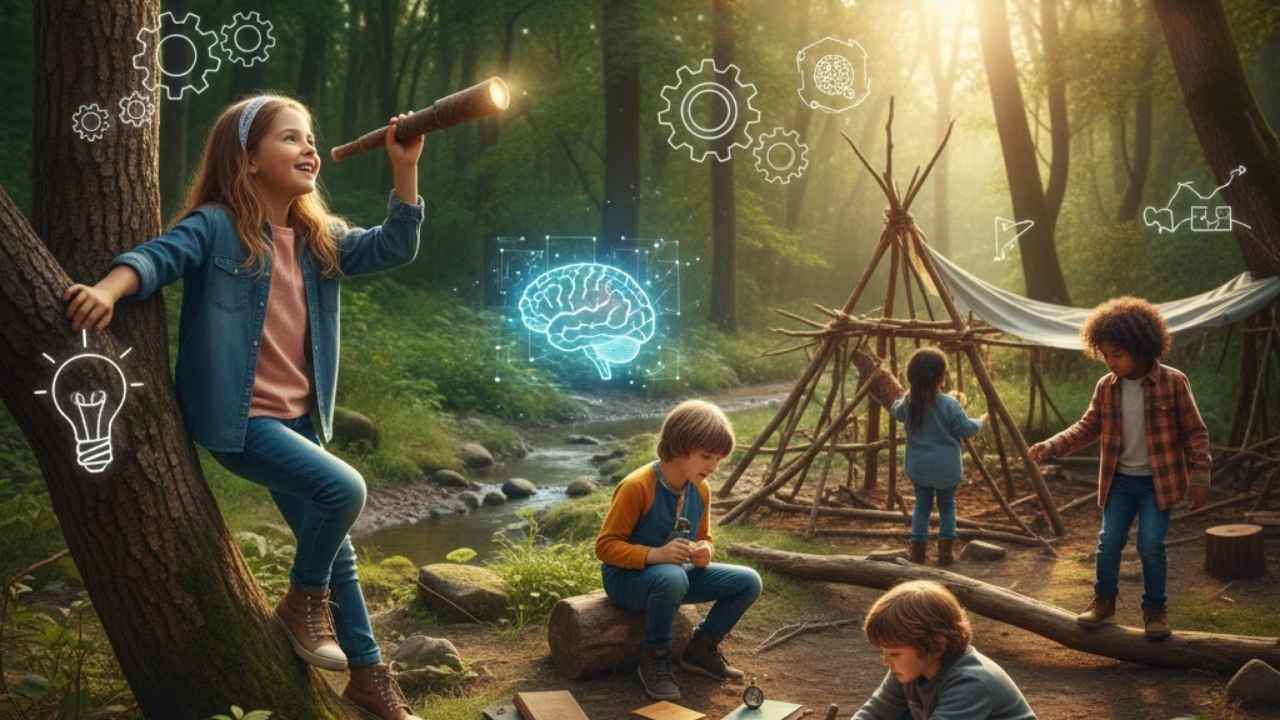

Children naturally chase the unknown, but only when their world invites wonder. Curiosity grows strongest in spaces where kids feel free to poke around, imagine boldly, and ask questions that tumble out without filters.
Young minds absorb the world through tiny details adults forget to notice: shadows moving across sidewalks, odd sounds behind walls, hidden patterns in everyday routines. These discoveries shape how they think.
When parents and teachers encourage exploration, they aren’t simply teaching facts. They are giving children permission to wander mentally, follow intuition, and develop their own ways of making sense of things.
Curiosity is less about finding answers and more about learning how to look closely, think deeply, and keep asking; even when the world becomes louder and more complicated.
Unlocking Curious Minds: The New Rules of Raising Explorers
Curiosity blossoms when kids are encouraged to wonder boldly instead of memorizing quietly. It thrives in homes and classrooms where exploration is welcomed and questions lead the way.
Read the below article and get to know practical, everyday ways adults can help children stay curious from open discussions to real-world exposure, playful experimentation, and supportive responses to “Why?”

Let Their Questions Take Spotlight
Kids don’t always want a polished answer, they want room to wonder out loud. When adults slow their pace, curiosity stretches wider and kids begin forming their own theories before we even jump in.
Swap This / Try That
- Typical Response – giving the answer right away
- Curiosity-Friendly Move – say, “What sparked that thought?”
Conversation Igniters
- Follow their question with, “And then what?”
- Take a tiny remark and treat it like a clue worth exploring
- Highlight offbeat, quirky ideas instead of brushing them off
- Tell them about odd things you puzzled over as a kid
Create Discovery Spots, Not Just Play Areas
You don’t need glittery toys to boost curiosity. A few open-ended objects, things kids can poke, twist, compare, or dismantle; turn any corner into a discovery hub.
Item Effects Grid
| Material | Curiosity It Wakes Up |
|---|---|
| Outdated tech pieces | “How does this work?” thinking |
| Stones, leaves, shells | Texture exploration & noticing |
| Random craft leftovers | Inventive, mash-up creativity |
| Empty boxes & cartons | Structure building and redesign |
The magic happens when nothing has a single “correct” use.

Everyday Life Is the Ultimate Classroom-If You Let It Be
Kids learn more from the real world than from the most polished worksheet. A puddle, a kitchen tool, a machine humming nearby, each becomes fuel for long-lasting questions.
Instant Curiosity Add-Ons
- Let them safely try basic tools or utensils.
- Introduce rare household objects by name.
- Share the backstage side of everyday chores.
- Point out differences in how things function.
Real life becomes the teacher without you even announcing a lesson.
Reading That Turns Minds On, Not Off
Stories carry kids into unfamiliar spaces and stir questions they might never have considered. A single chapter can spark a galaxy of ideas.
Reading-While-Wondering Prompts
- “If this happened to you, what would you try first?”
- “Does anything here remind you of real life?”
- “Is there a detail you’d like to zoom in on?”
These prompts shift reading from passive listening to active imagining.

Creativity: The Secret Fuel Behind Curious Kids
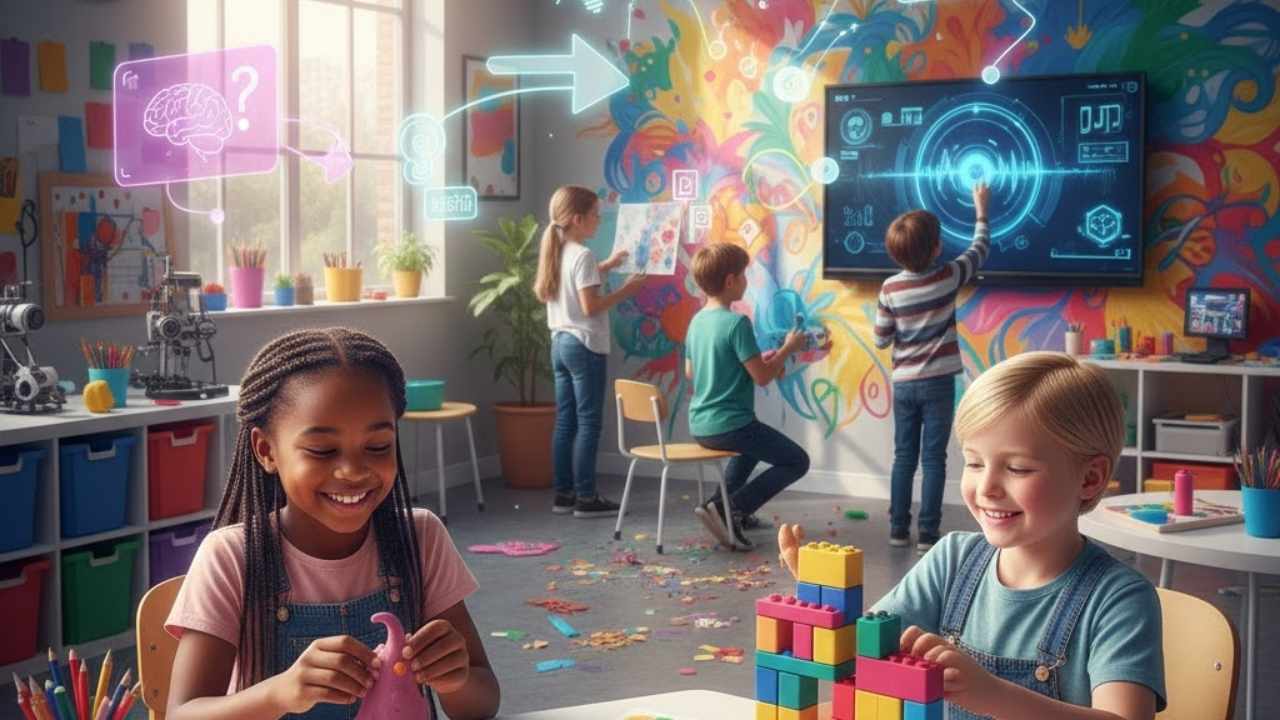
Whenever children paint, build, combine colors, or test unusual materials, they step into the world of “What if?” Creativity works like a bridge between curiosity and confidence.
Even tiny creative acts; scribbling shapes, arranging objects in odd ways help them explore ideas that aren’t fully formed yet. Curiosity blossoms where experimentation is welcome.
Teaching Kids to Treat Mistakes Like Clues, Not Crashes
A child’s curiosity collapses when mistakes feel like failures. If adults treat missteps gently, kids start seeing them as hints that guide the next attempt instead of signs to stop.
The Three Moves of the Curious Mindset
- Point out the bit they got right.
- Notice what changed or surprised both of you.
- Ask, “What could we try next?”
This approach keeps curiosity moving forward.

Expand Their World With New People, Places & Traditions
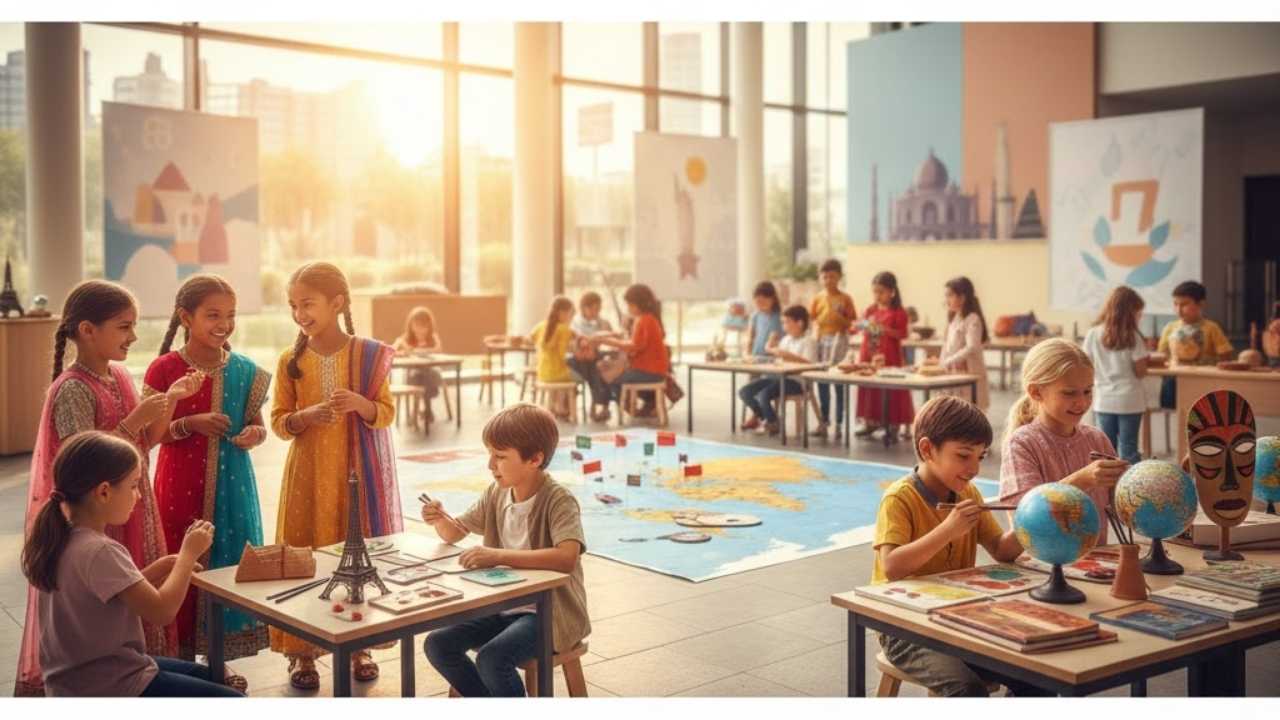
Kids become more intrigued by life when they see how differently people eat, celebrate, speak, and work. Exposure broadens their questions and shrinks their assumptions.
Experience Reaction Table
| New Encounter | First Kid Reaction | Curiosity Spark |
|---|---|---|
| Trying unfamiliar dishes | “Why’s this flavor so funny?” | Cultural habits & cooking styles |
| Attending a local event | “Why do they do that?” | Community rhythms |
| Listening to foreign music | “This sounds weird, cool weird!” | Creativity in sound |
| Walking through markets | “There’s so much here!” | Variety in daily living |
| Each encounter opens another window into how the world works. | ||
Build Curiosity Into the Daily Flow
Curiosity becomes second nature when it’s sprinkled into everyday moments. Little rituals help kids notice more, question more, and tune in to the small surprises around them.
Daily Curiosity Micro-Habits
- One “What’s something you’re wondering today?” over breakfast
- A tiny daily notebook for odd observations
- A nightly spark-share: one thing they noticed or questioned
- A jar to drop random curiosity notes into
Routine, but never boring; curiosity grows quietly this way.
Curious Minds Become Courageous Thinkers
Curiosity shapes kids into thinkers who don’t just memorize; they explore, test, question, and reimagine. When supported consistently, curiosity becomes the foundation of lifelong learning.
Parents and teachers who nurture curiosity build children who are confident, reflective, and ready to face a world that rewards bold ideas and brave questions.