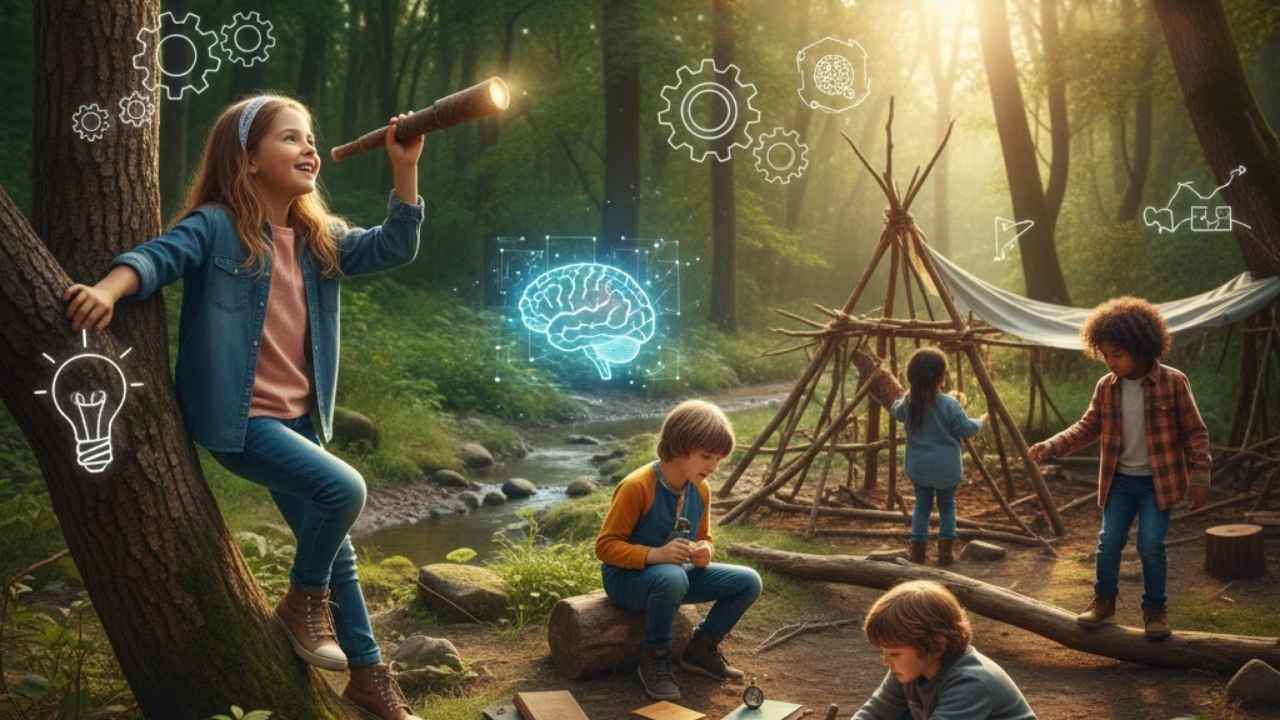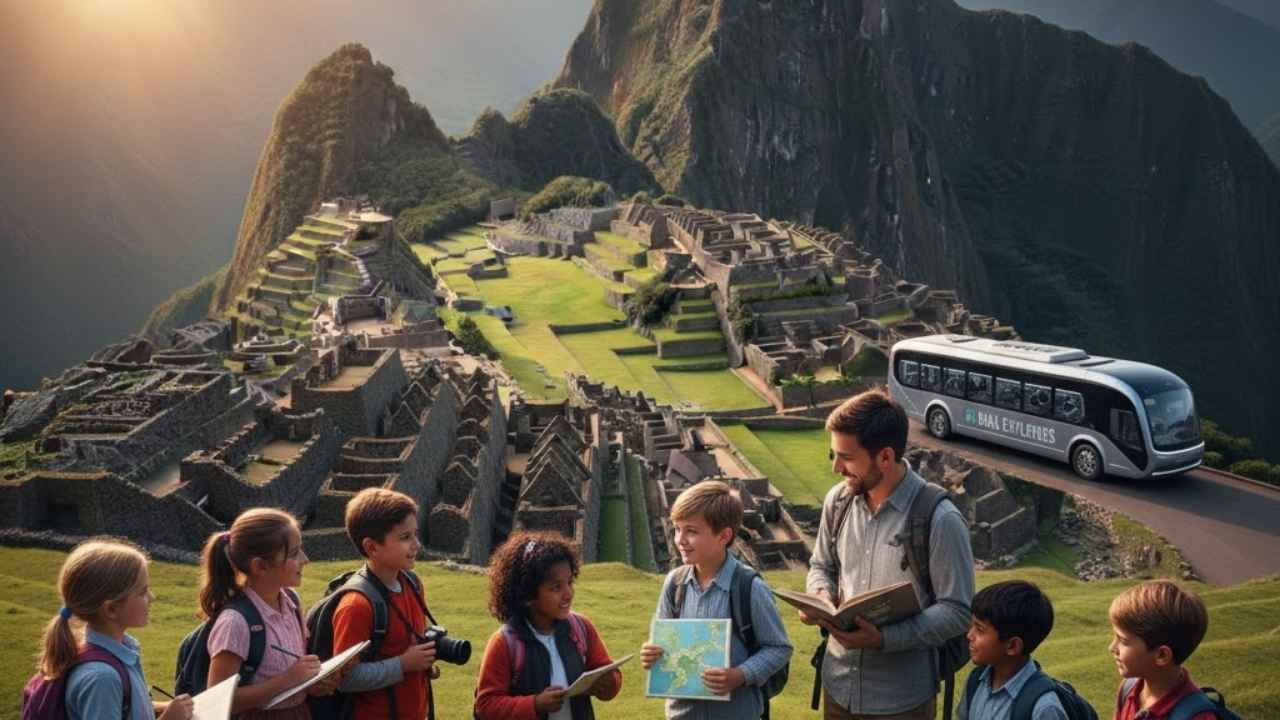

Children today grow up in a world that moves faster than ever, and cultural experiences can help them keep pace. When kids interact with unfamiliar traditions, it widens their imagination and sharpens their understanding of people.
Every cultural encounter whether through travel, food, art, or conversation; adds a new layer to how children interpret life. They start connecting dots between stories, lifestyles, and identities they never knew existed.
This early exposure encourages questions, dialogue, and curiosity about the world. Instead of seeing differences as strange, kids treat them as exciting parts of human diversity.
Cultural exploration becomes a lens that guides how children observe the world. It strengthens empathy, flexibility, and confidence, helping them build a balanced worldview long before adulthood.
Building Global Awareness in Kids Through Culture Exploration
Global awareness doesn’t come from textbooks alone. Children learn more deeply when they engage with real cultural experiences; meeting new people, hearing new languages, tasting unfamiliar dishes, and recognizing traditions outside their own.

Here get to know how cultural exposure turns kids into thoughtful, open-minded learners. From travel and festivals to music, stories, and art, these experiences help children grow into globally aware, emotionally intelligent individuals.
The First Steps Toward Raising Culturally Aware Children
Kids interpret the world differently when they’re introduced to diverse cultures early. These experiences teach them that unfamiliar customs aren’t strange, they are just another way humans live, express, and understand life.
- Early Benefits Kids Pick Up
- Strong ability to read social cues.
- Comfort in new, unpredictable settings.
- Natural curiosity toward differences.
- Ability to tackle global topics confidently.
Language as the Shortcut to Cultural Curiosity
A new language feels like a secret code to kids; one they love cracking. Even tiny phrases open up conversations, smiles, and connections they couldn’t make before.
| Benefit | How It Helps Children |
|---|---|
| Brain development | Improves memory + focus |
| Communication | Makes travel less intimidating |
| Identity respect | Encourages empathy |
| Confidence | Kids feel proud speaking new words |
Quick Ways to Introduce Language Learning

- Storybooks
- Kids’ language apps
- Music in multiple languages
Food: Culture You Can Taste
Food does what textbooks can’t, it gives kids a flavor of someone else’s daily life. One bite can spark curiosity faster than a thousand explanations.
Why Food Is a Cultural Teacher
- Helps kids embrace unfamiliar things
- Shows traditions through ingredients
- Builds adventurous eating habits
Food Encounters & What They Teach
| Experience | Lesson |
|---|---|
| Cooking global meals | Cultural origins |
| Visiting ethnic markets | Buying habits + lifestyle |
| Sampling festival sweets | Seasonal celebrations |
The Power of Traditions in Shaping Young Minds
Traditions reveal what a community holds close; gratitude, joy, remembrance, hope. Watching such rituals helps kids understand how people celebrate and honor the past.

Lantern festivals, harvest rituals, winter celebrations, and folk dances can open a child’s imagination and deepen their respect for people unlike themselves.
- Traditions Help Kids Learn –
- Why rituals repeat.
- How communities show unity.
- Appreciation for different beliefs.
Travel Experiences That Shape Global Thinkers
Travel gives kids sensory learning at full volume; sights, accents, aromas, architecture, and everyday patterns all happening at once. Nothing teaches global awareness faster.
- Travel Builds-
- Adaptability
- Curiosity
- Independence
- Global thinking
| Travel Activity | Cultural Insight |
|---|---|
| Visiting small towns | Local routines |
| Joining local workshops | Hands-on learning |
| Historic walks | Time + heritage |
| Observing street life | Social habits |
Stories & Art That Grow Kids’ Global Thinking
Books, films, and music from around the world help kids imagine cultures they haven’t met yet. These resources paint vivid pictures and make the world feel closer.
Why Global Media Helps Kids Grow –

- Builds emotional connection
- Grows imaginative thinking
- Teaches viewpoints beyond their own
Fun Media to Explore –
- Global folktale collections
- International kids’ movies
- World-music playlists
Long-Term Benefits of Cultural Exposure
Children who interact with global cultures develop abilities they will use for life, understanding others, solving problems, expressing creativity, and adjusting to new situations.
- Core Skills Strengthened
- Conflict resolution
- Creativity
- Emotional maturity
- Flexibility
| Skill | Cultural Moment |
|---|---|
| Awareness | Observing customs |
| Creativity | Trying foreign art |
| Confidence | Speaking with locals |
| Adaptability | Entering unfamiliar places |
Everyday Habits That Boost Cultural Learning
Parents can turn any home into a tiny global hub with simple habits. You don’t need grand trips, just consistent exposure.
- Helpful Things Parents Can Do –
- Cook a new recipe together
- Watch a foreign film night
- Read stories from different continents
Mini Activities That Boost Curiosity
| Activity | Impact |
|---|---|
| World-map pinning | Builds geography sense |
| Culture scrapbooking | Encourages reflection |
| Learning weekly phrases | Keeps learning playful |
The Lasting Value of Raising Culturally Aware Kids
Cultural exploration helps children grow into compassionate thinkers who understand that differences are not barriers, they are gateways to deeper understanding and meaningful connections.
When kids experience cultures early, they develop global awareness that stays with them for life, shaping how they relate to people, solve problems, and approach a rapidly changing world.