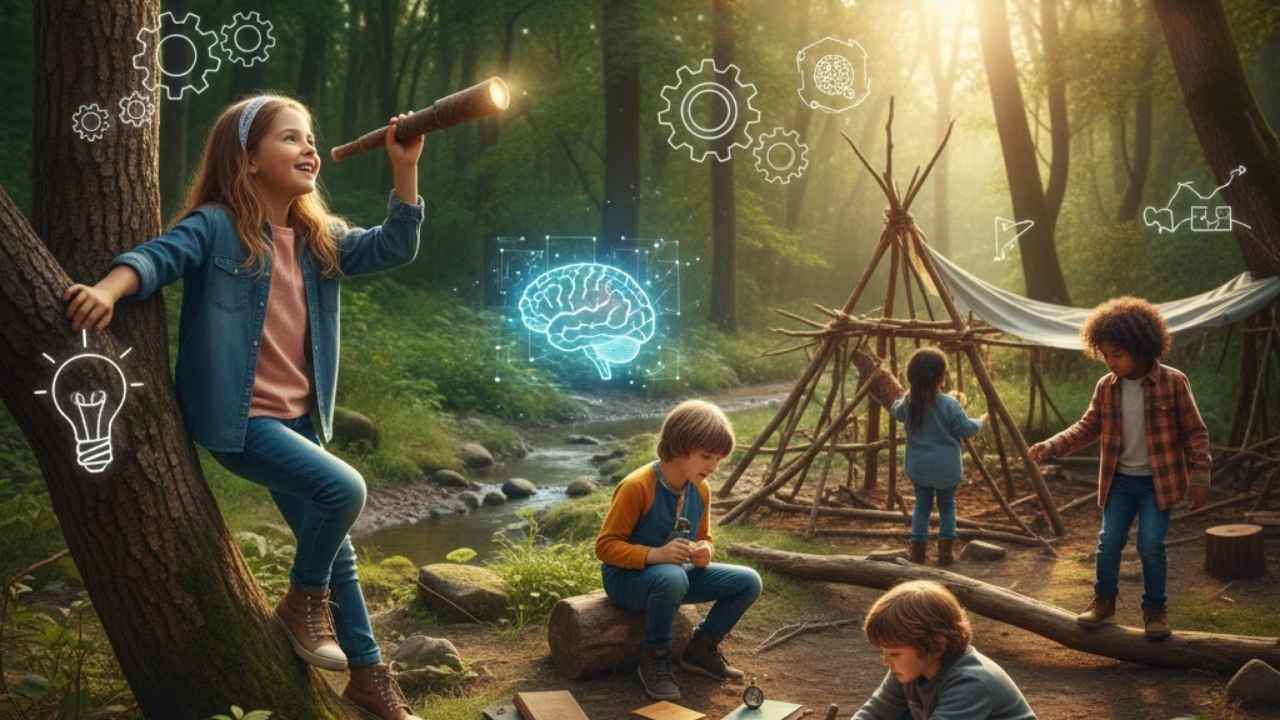

Creativity gives children room to think beyond limits. When they’re allowed to explore ideas freely, their minds stretch, strengthen, and grow in ways traditional lessons can’t always match.
Young learners absorb new concepts faster when the experience feels playful and personal. That spark of curiosity becomes the engine that drives real understanding.
Whether they draw, build, imagine, or experiment, kids unlock skills that last long after the activity ends. Creativity doesn’t just entertain, it transforms how they approach challenges.
In a world demanding flexible thinkers, children who explore creatively gain a natural advantage. They learn to observe deeply, question thoughtfully, and express ideas with confidence.
How Creative Exploration Helps Kids Learn Better
Creative exploration is more than an activity; it is a learning method that fuels cognitive development, emotional awareness, and problem-solving strength. Kids who create regularly learn how to think, not just what to remember.

This breakdown shows how imagination-driven learning makes children sharper, calmer, more curious, and more skilled at tackling both academic and everyday challenges.
Creative Starts: Foundation of Thinking Power
When kids experiment with colors, shapes, sounds, or materials, their brains build lasting pathways. These early creative moments sharpen thought patterns and improve how children process information.
Early Creative Gains
- Clearer focus
- Stronger connections between ideas
- Better memory formation
- Healthier emotional expression
Mini Moments That Help
| Creative Activity | What It Builds |
|---|---|
| Simple sketching | Idea flexibility |
| Block towers | Logic and balance |
| Role-play scenes | Social awareness |
| Outdoor doodling | Observation habits |
Real World Play That Builds Practical Problem Power
Kids absorb lessons faster when they get to touch, build, or rearrange things. Each hands-on moment trains the mind to analyze, test, and adjust. Short tasks like shaping clay or fixing a puzzle push kids to think in steps, not shortcuts.

Hands-On Activities to Try
- Rearranging picture tiles
- Building simple models
- Creative science kits
- Homemade craft challenges
Art As Language: Helping Children Share Their Thoughts
Many children explain themselves better through creation than through rules of language. Art becomes a bridge that translates feelings and ideas into something visible.
What Kids Learn Through Artistic Play
- Speaking through visuals
- Understanding feelings
- Explaining concepts clearly
- Sharing ideas openly
Try These Artistic Sparks
| Activity | Strengthened Skill |
|---|---|
| Comic-strip drawing | Sequence building |
| Texture painting | Sensory awareness |
| Color stories | Emotional insight |
Creative Freedom That Pushes Kids to Discover More
Curiosity grows naturally in creative spaces. When kids tinker, experiment, or ask “what if?”, they build confidence in their ability to discover answers on their own. Curious kids don’t wait to be told; they investigate, question, and explore without fear.
- Curiosity Teaches
- Independence
- Real inquiry habits
- Persistence
- Bold thinking
Collaborative Play That Builds Social Confidence
Creative teamwork helps children understand others’ ideas, share space respectfully, and communicate feelings more effectively. They learn how to collaborate without losing individuality.

Group projects teach kids that creativity thrives when different minds combine.
| Group Task | Skill Gained |
|---|---|
| Shared mural | Cooperation |
| Team storytelling | Listening |
| Building together | Leadership |
| Acting scenes | Empathy |
Fun Filled Creativity That Helps Kids Retain Knowledge
When learning feels playful, information stays longer. Creativity turns complex topics into experiences kids actually enjoy, making lessons easier to remember.
Why Fun Learning Works
- Encourages participation
- Builds long-term understanding
- Creates memorable moments
- Reduces performance pressure
- Short Ideas –
- Science through mini experiments.
- Math through patterns or art.
- History through creative reenactments.
- Geography through handmade maps.
Confidence Through Creativity: Building Stronger Kids
Every time a child creates something from scratch, they prove to themselves that their ideas matter. This naturally strengthens self-esteem and resilience. Creative challenges teach kids to handle setbacks with calmness and flexibility.
Creativity Encourages

- Self-Trust.
- Calm decision-making.
- Openness to new ideas.
- Emotional balance.
Simple Ways Adults Can Inspire Kids’ Creative Minds
Kids flourish creatively when adults offer encouragement instead of restrictions. Even small gestures like asking open-ended questions, can spark big breakthroughs.
Easy Ways to Support Creativity
- Provide simple materials like paper, textures, or tools.
- Let kids explain their creative choices.
- Make a small space for imaginative play.
- Welcome “wild ideas” without judgment.
When children feel safe exploring, their creative confidence grows naturally and learning becomes something they chase willingly.
Creative Exploration Shapes Lifelong Learning & Confidence
Creative exploration transforms learning into an adventure. It strengthens the brain, deepens focus, and helps kids connect ideas with real meaning.
Children who explore creatively grow into confident thinkers who adapt easily, solve challenges calmly, and discover joy in learning; skills that shape success for a lifetime.